
Category Archives: NDIS Respite Care Sydney

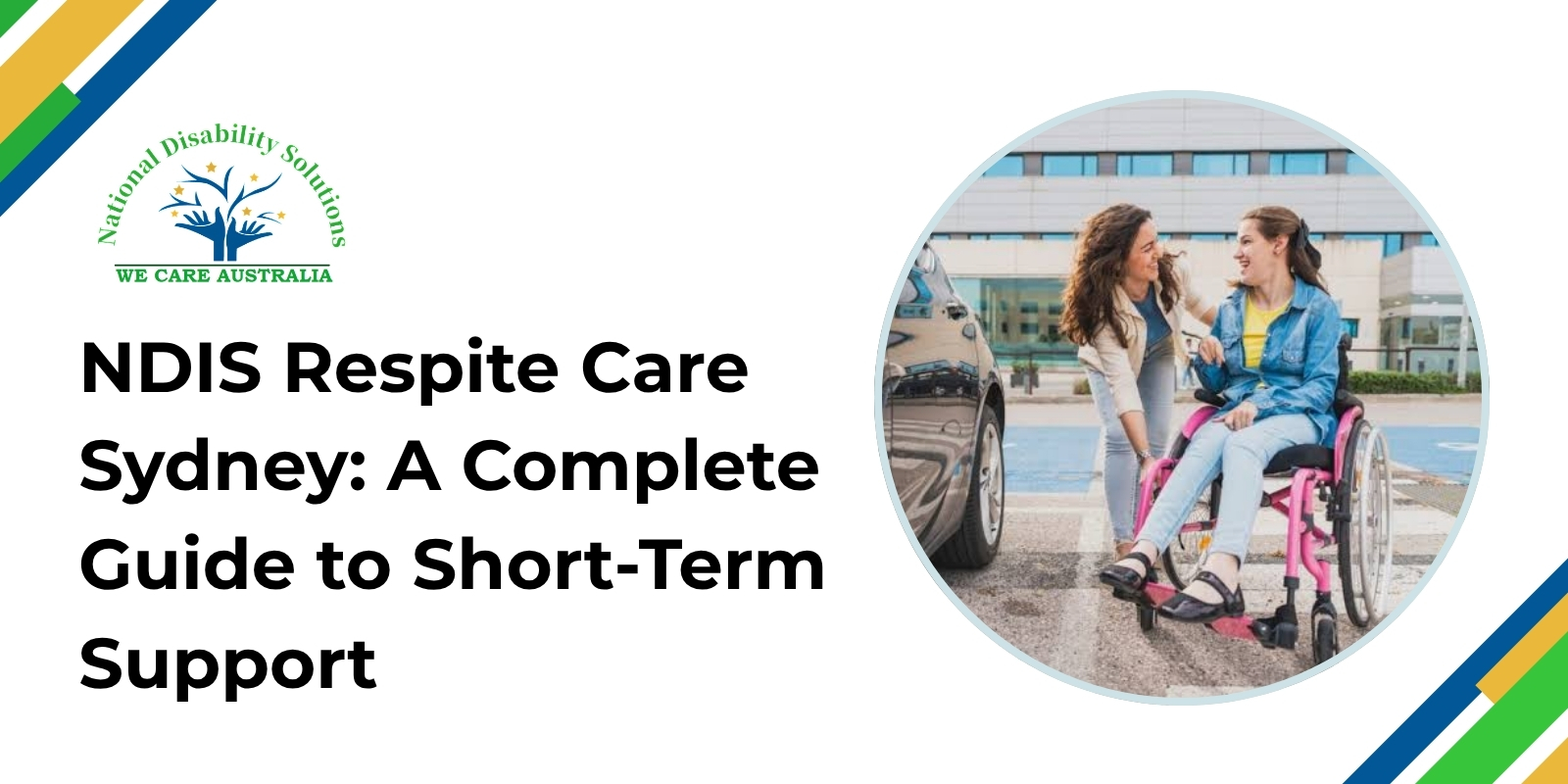
NDIS Respite Care Sydney: A Complete Guide to Short-Term Support

Navigating disability care can be demanding for both participants and their family carers. NDIS respite care in Sydney provides temporary, flexible support designed to give primary informal carers a necessary break while ensuring participants receive high-quality, tailored assistance in a safe environment.

Whether you need a short break, temporary support during a transition, or emergency relief, understanding how short-term respite works under current NDIS rules will help you maximize your plan and choose the right provider.

What Is NDIS Short-Term Respite?

In official guidance, the support formerly known as Short Term Accommodation (STA) is referred to as Short Term Respite (or Short Term Accommodation / STA in some plan documentation). This change highlights the true purpose of the support: giving participants and their primary informal carers time apart while maintaining essential daily living assistance.

Short-term respite is a disability-related support funded to help maintain long-term caring arrangements. It can be delivered in a variety of settings, including dedicated respite facilities, rented accommodation, or even in the participant’s own home.

What Can NDIS Respite Include?

Depending on the participant’s individualized needs and plan goals, short-term respite typically covers:

  • Personal care: Assistance with everyday activities such as showering, dressing, toileting, and mobility, based on the participant’s usual support needs.
  • Community participation: Support to engage in local social, recreational, or skill-building activities during the stay.
  • Overnight support: Continuous active or sleepover care from trained support workers.
  • Capacity building: Opportunities to practice independent living skills in a supported environment.

Important Note on Excluded Expenses: Short-term respite is disability-related support, not a holiday package. NDIS funding cannot be used for excluded expenses such as vacation packages, cruises, airfares, theme parks, or similar recreational costs.

Does NDIS Respite Cover Meals and Food?

NDIS short-term respite funding cannot be used to pay for food or meals.

While the accommodation and disability support services during a stay are covered under eligible NDIS funding, day-to-day living costs—including grocery items and prepared meals—remain the responsibility of the participant. Before booking, confirm with your provider which costs are included in the service arrangement and which expenses you will need to pay separately.

How Is Short-Term Respite Funded?

Short-term respite is paid from your Core budget (typically under Assistance with Daily Life) and must be used in line with your NDIS plan and relevant NDIS rules. Core funding is flexible, but participants can only use it for supports that meet reasonable and necessary criteria.

The 28-Day Guideline

Most eligible participants can receive up to 28 days of short-term respite per year, with a maximum of 14 days at a time. This allocation is designed to be used flexibly throughout the year—for example, as one weekend per month or a few short blocks of care—to provide ongoing relief for informal carers.

Who Can Access NDIS Respite Care?

Short-term respite may be suitable when a participant receives ongoing support from primary informal supports and needs temporary support away from their usual care arrangements.

To use NDIS funding for respite care:

  1. The support must directly relate to the participant’s disability needs.
  2. It must align with the goals outlined in the participant’s NDIS plan.
  3. It must not duplicate other funded supports or replace mainstream community responsibilities.

Comparing Temporary & Ongoing Accommodation Options

Understanding the distinctions between different NDIS accommodation supports ensures you utilize the correct line item in your plan:

Support Type Primary Focus Best Suited For
Short-Term Respite (STA) Temporary relief for informal carers and short stays (up to 28 days/year) Participants needing short breaks away from primary carers
Medium-Term Accommodation (MTA) Interim housing (up to 90 days) in specific circumstances Participants waiting for long-term housing or home modifications
Supported Independent Living (SIL) Ongoing support with daily living and developing independence Participants requiring significant ongoing assistance at home

How Much Does NDIS Respite Care Cost in Sydney?

NDIS respite care rates in Greater Sydney are set according to standard NDIS pricing arrangements. Rates vary based on specific operational factors rather than arbitrary provider pricing:

  • Support ratio: Rates differ for 1:1 individualized care versus shared care arrangements (e.g., 1:2 or 1:3).
  • Time of service: Higher rates apply for evening hours, Saturdays, Sundays, and public holidays.
  • Level of support: High-intensity needs requiring specialized nursing or complex behavior support reflect different pricing tiers.
  • Actual supports delivered: Participants are billed only for the specific hours and support types provided during their stay.

How to Arrange Short-Term Respite in 5 Steps

  1. Review Your Plan: Check your Core Supports budget to confirm available funding for Assistance with Daily Life.
  2. Identify Your Needs: Determine the location, support ratio, duration, and accessibility features required.
  3. Select a Sydney Provider: Choose a qualified provider with experience in your specific support area.
  4. Establish a Service Agreement: Finalize the support schedule, total cost, and expense breakdown (confirming non-funded costs like food).
  5. Book Your Stay: Coordinate check-in times, support routines, and emergency contacts with the provider’s team.

Finding Respite Care Near You in Sydney

When selecting a respite location across Greater Sydney, local convenience and community access are essential. Families often consider factors such as:

  • Proximity to the participant’s regular school, day program, or workplace
  • Convenience for family visits and transport access
  • Familiarity with local parks, shopping centers, and medical facilities
  • Availability of appropriately skilled local support workers

Frequently Asked Questions

Can NDIS respite be used for a weekend?

Yes. Short-term respite can be used flexibly. Many participants choose to use their funding for shorter breaks, such as a weekend stay, rather than taking a multi-week block. The arrangement must still meet NDIS requirements and remain within your available Core budget.

Can I receive short-term respite in my own home?

Yes. Short-term respite can be delivered in the participant’s own home or through a homestay arrangement with a support worker when overnight or temporary support is required to give informal carers a break.

Do providers offer short-notice or emergency respite?

Some providers may offer short-notice respite depending on availability, staffing, participant needs, and the required intake process. It is best to discuss potential emergency care plans with your provider in advance.

Partnering with National Disability Solutions

Finding tailored, high-quality respite care in Sydney ensures both you and your primary carers get the support you need.

National Disability Solutions provides flexible, participant-centered short-term respite options across Greater Sydney, offering individualised care schedules, experienced support staff, and accessible environments.

NDIS information checked: August 2026. NDIS rules, guidelines, and pricing arrangements can change. Always check the latest NDIS guidance and confirm your individual funding with your NDIS contact, plan manager, or Support Coordinator.

5 Costly Mistakes to Avoid When Arranging Supported Independent Living in Sydney

Arranging Supported Independent Living (SIL) is one of the most critical steps in an NDIS participant’s journey toward greater independence. However, navigating funding criteria, provider selection, and living arrangements across Sydney can be complex. Avoidable misunderstandings during the planning phase often lead to unnecessary delay, mismatched housing, or support gaps.

Understanding how SIL operates within the broader NDIS framework ensures your support package effectively reflects your goals, daily routines, and lifestyle choices.

What Is Supported Independent Living (SIL)?

SIL is an NDIS-funded support for eligible participants who need assistance with daily living and developing greater independence. Support may include personal care, cooking, household tasks, routines, and skill development, depending on the participant’s individual needs and approved funding.

Rather than guaranteeing a fixed support schedule or automatic 24/7 coverage, SIL is designed around the specific support a participant requires to live as independently as possible in a shared or individual living arrangement.

1. Assuming SIL Pays for Rent and Living Expenses

A common misconception is that receiving SIL funding means your housing and everyday living expenses are fully covered.

Rent, groceries, utilities, and other ordinary living expenses are generally separate from SIL funding and need to be budgeted for separately.

SIL funding applies specifically to the personal support services delivered inside the home. Participants typically pay for their rent and household contributions out of their personal income, such as the Disability Support Pension (DSP) or other private funds.

Note: For participants requiring specialized housing design, Specialist Disability Accommodation (SDA) is a separate NDIS funding stream that addresses the physical housing structure.

2. Choosing Housemates Without Checking Compatibility

Moving into a shared living environment without a deliberate matching process frequently leads to personal friction and lifestyle disruption.

A quality SIL provider should consider personality, daily routines, sensory preferences, communication styles, and lifestyle expectations during the matching process. Identifying whether the proposed living arrangement is suitable for everyone involved helps create a stable, harmonious home.

For example, a participant may prioritize locations such as Merrylands or Parramatta for convenient public transport and active community access, while another may prefer Ryde or North Sydney due to proximity to family, employment, education, or established healthcare networks. Aligning both geographic preferences and household dynamics is essential.

3. Underestimating Your Daily Support Needs

When building a SIL proposal, underreporting or underestimating the level of assistance required throughout the day (and overnight) can lead to an underfunded plan.

Support requirements should account for:

  • Active vs. Passive Overnight Needs: Whether you require active overnight support or sleepover support.
  • Peak Intensity Hours: Complex morning routines, meal preparation, or medication administration times.
  • Skill Building: Time required to help you build capacity for independent domestic tasks.

Failing to capture periodic or fluctuating support needs often results in unexpected support gaps after moving in.

4. Navigating SIL Planning Without the Right Support

Preparing a comprehensive SIL submission requires strong evidence, functional assessments, and detailed roster-of-care proposals. Attempting this process without experienced guidance can lead to delays or funding decisions that do not reflect your true requirements.

Working with an experienced team can help ensure your support proposal is clearly documented, reflects your assessed needs, and aligns with your NDIS goals and current home and living requirements.

(Separately, ensure that any provider you select is registered with and adheres to the quality standards, worker screening, and practice standards monitored by the NDIS Quality and Safeguards Commission).

5. Leaving Allied Health Out of Your Independence Plan

SIL is not just about passive assistance; it is fundamentally about building independence. Omitting Allied Health professionals—such as Occupational Therapists (OTs), Speech Pathologists, or Behaviour Support Practitioners—from the planning stage weakens your evidence base.

An Occupational Therapist plays a critical role by:

  • Conducting detailed functional assessments.
  • Identifying necessary assistive technology or environmental modifications.
  • Outlining recommended support ratios to support safe, independent living.

Including up-to-date reports from allied health professionals provides clear, objective evidence for the NDIA when evaluating your home and living request.

What to Check Before Choosing SIL in Sydney

Before finalizing a SIL arrangement, review the following essential elements:

  • Roster of Care (RoC): Does the proposed roster accurately reflect your daily routine and high-support windows?
  • Location & Community Access: Is the property close to medical services, public transport, family, and local amenities?
  • Tenancy Agreement: Are the tenancy terms clear, fair, and completely distinct from your support agreement?

Questions to Ask a SIL Provider

When interviewing potential SIL providers in Sydney, bring these key questions to your initial consultation:

  1. How are support ratios determined for shared tasks versus individual care?
  2. What process do you use to match potential housemates before moving in?
  3. How are overnight supports delivered (sleepover vs. active night shifts)?
  4. What is the protocol if my support needs change or fluctuate over time?
  5. How are participant preferences and personal routines incorporated into daily household management?
  6. How does the provider maintain ongoing communication with families and Support Coordinators?
  7. What steps are taken if a housemate arrangement is no longer suitable for one or more residents?

Frequently Asked Questions

Does SIL include accommodation?

SIL funding is for eligible support services rather than the cost of ordinary accommodation. Participants generally need to manage rent and other everyday living expenses separately. Eligible participants with high-level housing design needs may receive SDA funding for specialist disability accommodation.

How is SIL funding determined by the NDIS?

SIL funding depends on the participant’s individual circumstances, support needs, goals, and the evidence provided to the NDIS. The level and type of support should reflect the assistance required to live as independently as possible.

Are SIL and SDA the same thing?

No. SIL covers the support staff who assist with daily tasks inside the home. SDA helps eligible NDIS participants access specialist disability accommodation designed around their housing and accessibility needs.

Can I choose my own SIL provider if I live in a shared house?

In shared living arrangements, participants often use a primary SIL provider agreed upon by the household to ensure coordinated care rosters. However, you maintain choice and control over your broader plan supports and service agreements.

Ready to Explore Your Home and Living Options?

Finding the right Supported Independent Living arrangement requires careful planning, accurate evidence, and the right support team.

Whether you are exploring SIL for the first time or looking to update your current arrangement in Sydney, our team is here to help you navigate the process with confidence.

Contact National Disability Solutions today to speak with a specialist about your NDIS home and living goals.

For current information about NDIS home and living supports, participants should also review the official NDIS Home and Living Guidance.